

Step Off the Platform Into Storybook Lanes
Today we explore Historic Village and Pub Walks Easily Reached by Train, celebrating car-free days when a short ride delivers you from city clatter to lanes lined with centuries-old cottages, church spires, hedgerows, and welcoming taprooms. Expect practical routes, safety notes, and lived stories from stations that open directly onto waymarked paths, with regional ales, hearty plates, and gentle gradients rewarding every mile. Pack lightly, consider off-peak tickets, and join a community savoring landscape, history, and warm hospitality without parking stress or long drives.
Plan, Alight, Wander
Begin with a simple plan that marries timetables, daylight, and appetite. Off-peak returns often cost less and reduce crowding, giving space for unhurried pauses, while a downloaded map and GPX track remove guesswork between the platform and the pub. Confirm kitchen hours, last trains, and weather, then set a relaxed pace that invites photos, churchyard detours, and green commons. A little forethought turns a modest timetable line into a slow parade of textures, flavors, and conversations.
Find the Right Line and Timing
Seek stopping services that deliver you to smaller stations hugging rivers, downs, or moors. Arrive before midday for generous daylight, note a mid-evening fallback train, and screenshot times in case reception fades. Extra buffer invites serendipity: a millstream pause, a sidestreet bakery, or a detour through a market square alive with weekend chatter.
Pack Light, Walk Smart
Carry water, a windproof layer, compact umbrella, and blister plasters; lace supportive shoes suited to lanes and towpaths. Download an offline map, dim your screen to save battery, and stash a portable charger. A reusable cup, small tote for farm-shop finds, and a spare bank card for gates or contactless hiccups keep the day effortless and flexible.
Doorstep History From the Platform
Many stations spill straight into centuries: timber frames leaning over cobbles, Norman towers standing sentinel, and canal arches whispering of industry and trade. A few minutes’ walk can reveal tithe barns, toll bridges, or milestones worn by pilgrims and packhorses. Let curiosity rule your route, peering at datestones, village pumps, and lichened boundary stones. Every turn offers a conversation with time, especially when locals add anecdotes colored by weathered pubs and parish legends.
Anecdote: Chalk Downs and a Smugglers’ Tale
Stepping from the train below chalky slopes, I followed a hedged lane to a low-beamed inn where the landlord, polishing glasses, recounted a smuggling chase remembered by his grandfather. Outside, larks trembled over the fields; inside, a map showed footpaths threading ancient barrows. A half pint later, I traced the ridgeway, each crest gifting vistas, church bells, and the faint, briny breath of coastal winds.
Riverside Mills, Iron Rails, and Ale
Along a valley where wool once turned waterwheels, a modest platform delivers walkers to towpaths stitched with iron bridges. Brick mills, now studios and bakeries, echo with rhythmic histories. A short loop links a weir’s hush, a bookshop tucked in an old warehouse, and a snug serving a nutty bitter brewed upriver. The day unfolds like a palimpsest, each layer legible under your soles.
Coastal Citadels and Cobbled Inns
A quick connection lands you in a coastal stronghold where gulls circle above stone ramparts and lanes lean downhill toward marsh and harbour. Cobbles guide you past half-timbered fronts into a taproom fragrant with hop and smoke. Between sips, wander to a lookout where wind, tide, and centuries of watchfulness meet, then return inland along reed-fringed paths glowing gold in late sun.
Order Like a Local
Scan the handpulls for a session ale or rotating guest, and don’t hesitate to ask for a taster. Order at the bar with a smile, learn the pub’s tab system, and carry drinks to your table. Compliment the cellar work if the pint shines; good stewardship keeps communities gathering, and a kind word continually renews the welcome extended to travelers arriving by rail.
Plates That Power the Return Leg

From pies with flaky lids to leek-and-cheddar pasties, village kitchens fuel gentle miles. Vegetarian stews and dairy-free gravies increasingly share space beside classics, while Sunday roasts anchor families across generations. Pair robust fare with a light bitter or sparkling water, linger for coffee, and thank the staff. Balanced, unhurried eating makes the homeward stroll comfortable, conversational, and safely steady.
Families, Dogs, and Firesides
Many countryside taprooms welcome muddy boots, prams, and patient dogs on leads, especially by the hearth or in gardens. Carry treats and a towel for paws, choose quieter corners, and mind feeding times. Encourage young walkers to spot datestones, gargoyles, and weather vanes while adults savor a half. Shared discovery strengthens confidence, resilience, and a lifelong affection for car-free adventure.
Maps, Markers, and Gentle Detours
Combine a paper map’s big-picture calm with a phone’s GPX breadcrumbs. Waymarkers guide, but detours often delight: a lichen-bright church door ajar, a forge turned gallery, or a bench facing water meadows. Photograph signposts at key junctions, and note field edges where crops or livestock might reroute you along permissive paths that keep both farming and walking harmonious.
Trains, Trails, and Accessibility
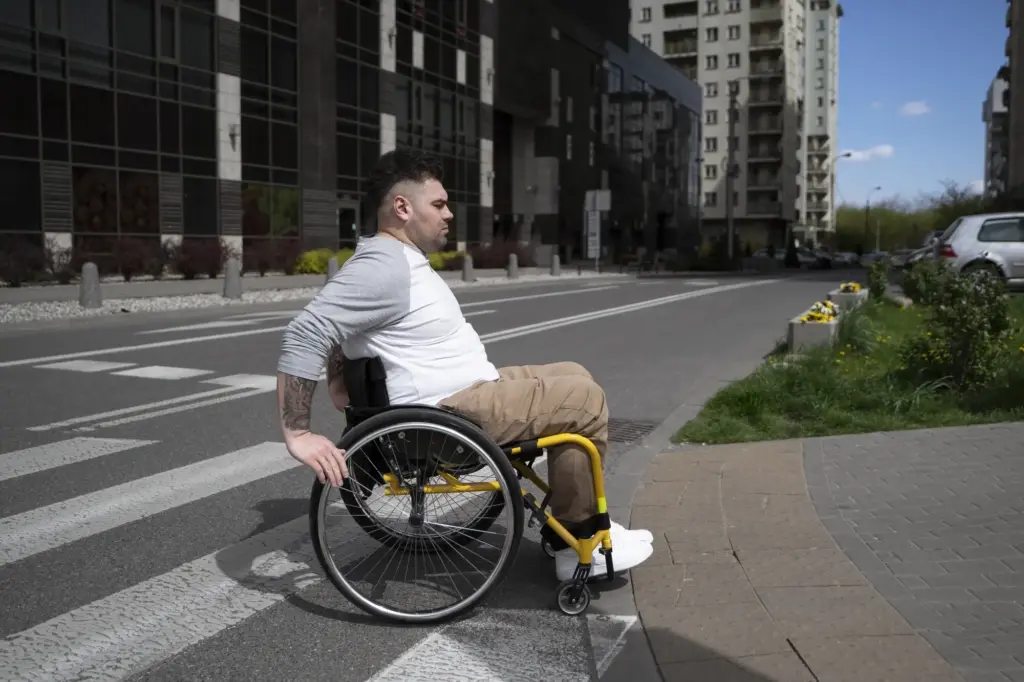
Check station access notes for lifts, ramps, or footbridges, and pick routes with compact surfaces when wheels or joints prefer smoother miles. Level towpaths, rail-trails, and riverside promenades deliver big scenery with modest effort. Pubs increasingly provide step-free entries and accessible loos—calling ahead helps. Thoughtful choices transform a rail escape into freedom for companions of varied needs and energies.
Photography and Quiet Corners
Golden light often arrives just after showers or near closing bells, when lanes empty and windows glow. Seek reflections under canal arches, textures on church porches, and steam from a pie crossing a snug. Ask before photographing people, give way on narrow bridges, and pocket the phone sometimes, letting sounds—the bar hum, rooks, distant freight—compose their own generous portrait.
Wayfinding Without Worry
Waymarked footpaths, permissive tracks, and canal towpaths often begin within sight of the station sign. Follow fingerposts, acorn symbols, or colored disks, and keep an offline map handy when hedges and valleys mute reception. Wooden stiles and kissing gates appear regularly; pause to look back, anchoring your mental map to a steeple or hillline. Trust the rhythm: walk, notice, cross safely, and let curiosity pull you across bridges and greens.
Weather Wisdom and Safe Steps
Countryside weather changes with theatrical flair, so respect forecasts and pack calm solutions. Grippy soles, a compact headlamp, and a dry bag for phone and tickets keep inconveniences minor. Note daylight times, avoid swollen fords, and use designated crossings. In pubs, moderate pace if returning after dusk, and step out together. Shared awareness—boundaries, livestock, and lanes—lights the path as surely as any lantern above an inn door.

Tread Kindly, Belong Deeply
Rail-linked rambles reduce traffic in fragile places while channeling spending into village economies that keep bakeries warm and pubs alive. Choose independent roasters, farm shops, and community-run venues when possible. Photograph responsibly, pack out all litter, and amplify local events you find on noticeboards. The more gently we walk and the more generously we share, the more durable these lanes, livelihoods, and smiles become for tomorrow’s traveler stepping off the same platform.

All Rights Reserved.